
New Insights and Treatments for Vitiligo Management — Dermatologists highlight the use of non-steroidal creams like...
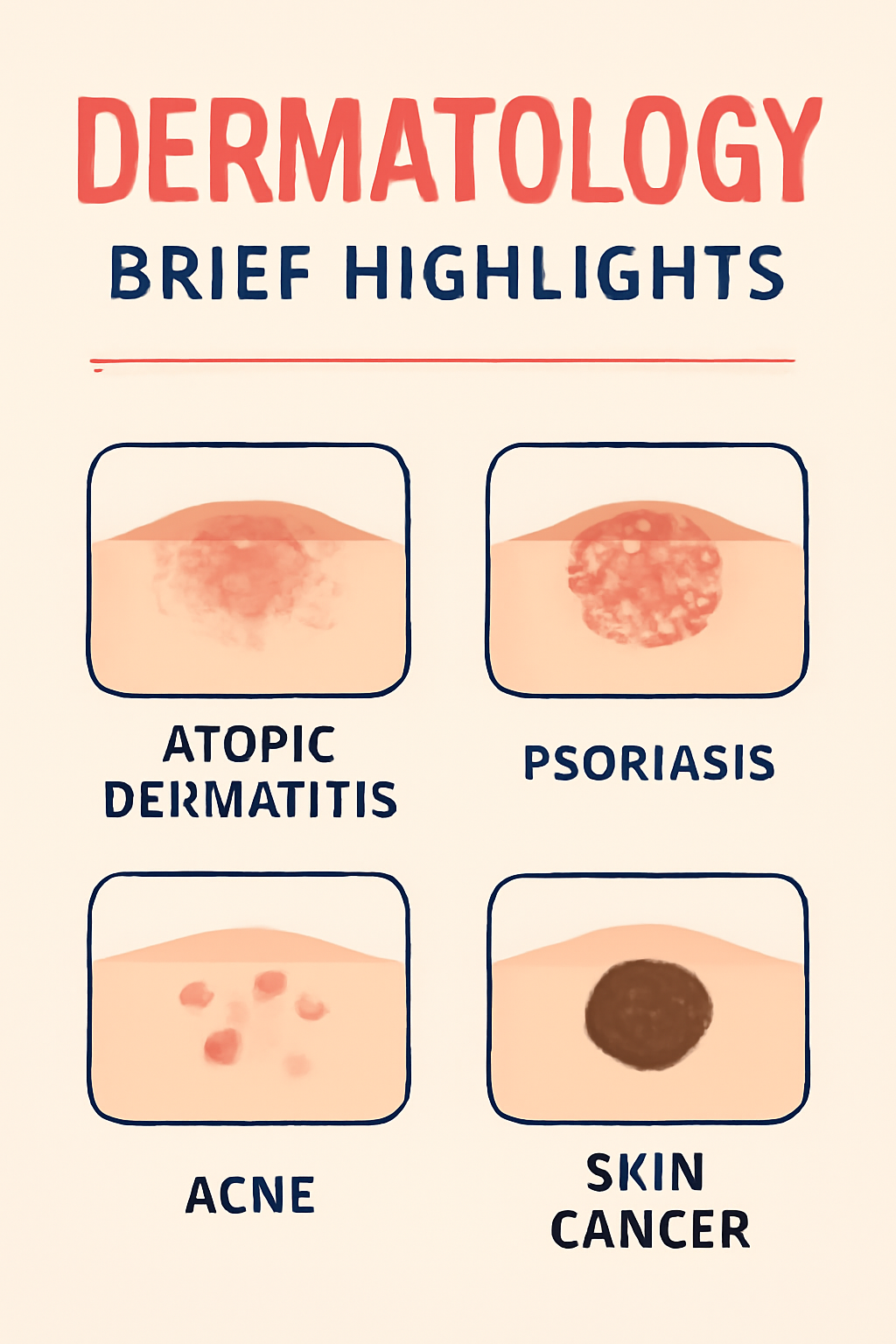
New Insights and Treatments for Vitiligo Management — Dermatologists highlight the use of non-steroidal creams like...
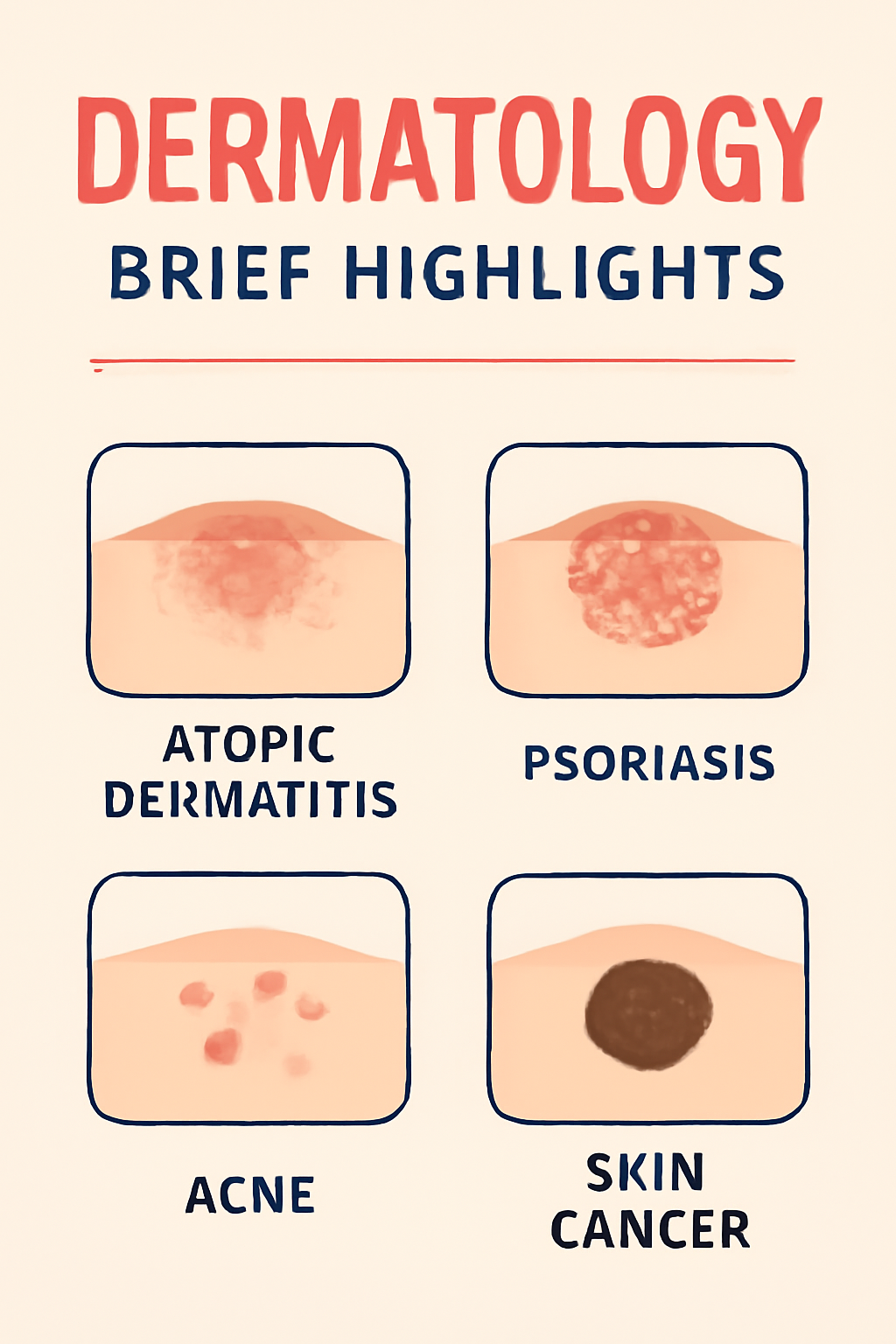
Treatment Options for Severe Nodulocystic Acne — Specialists highlight isotretinoin as the gold standard for deep,...
Major Aesthetic Medicine Conferences Announced for 2026 — The Aesthetic Medicine and Surgery Conference and...
Rapid weight loss linked to hair shedding — Medical experts warn that quick weight loss, including that induced by...
International Dermatology Summit and Masterclasses Announced — The ADAMS 2026 summit will gather industry leaders...
Dermatology Masterclass in Hair Disorders Scheduled for KL — International experts will convene in Kuala Lumpur in...
Specialists Highlight Botox and Scar Management at Regional Symposium — Dr. Ruth Ling will present new insights on...
Specialist Insights on Managing Chronic Hives and Allergies — Dermatologists clarify that hives lasting over six...
Upcoming Sarawak Plastic Surgery Update 2026 — Dr. Ruth Ling will deliver specialized lectures on multimodality...
Dermatologists Prepare for Sarawak Plastic Surgery Update 2026 — Dr. Ruth Ling will present sessions on optimizing...
Specialist Insights on Managing Chronic Hives and Allergies — Dermatologists clarify that hives lasting over six weeks are often immune-related rather than allergic, advising targeted blood tests only when patient history suggests specific triggers.
Emerging Professional Guidelines for Injectables and Scar Management — At the Sarawak Plastic Surgery Update 2026, experts highlighted a multimodality approach for challenging scars and the importance of precise BOTOX injections to avoid facial danger zones.
Rise in Shingles Cases Prompts Vaccination Recommendations — Medical centers report an uptick in Shingles cases and are advocating for the two-dose Shingrix vaccine, which offers over 90 percent efficacy in preventing the painful condition.
Advances in Non-Surgical Hair Restoration and Scalp Health — Malaysian clinics are expanding non-surgical options for hair thinning, including growth factor therapy and specialized supplements like Nourkrin to stimulate regrowth without invasive surgery.
Technological Trends for Skin Rejuvenation and Glass Skin — New protocols for achieving glass skin emphasize combining Rejuran or Juvelook skin boosters with in-clinic radio frequency or Pico Laser treatments for deep hydration and repair.
Aesthetic Market Shows Strong Growth in Malaysia — The Aesthetic Medicine and Surgery Conference (AMSC) 2026 reports that 90 percent of exhibition booths are already sold out, reflecting high industry confidence in the regional market.
Clinical Distinction Between Perioral Dermatitis and Acne — Specialists warn that small bumps around the mouth are frequently misdiagnosed as acne; using standard acne treatments or steroids can lead to inflammatory rebound flares.
 Asia Aesthetic Medicine Events and Innovations Highlight (Daily Brief Highlights, 16/04/2026)
 Dermatology Advances and Aesthetic Treatment Trends (Daily Brief Highlights, 17/04/2026)
 Shingles Vaccine and Skin Care Advances Highlighted (Daily Brief Highlights, 18/4/2026)
 Dermatology Advances and Aesthetic Treatment Trends (Daily Brief Highlights, 19/04/2026)
 Innovations in Acne Treatment and Dermatology Conferences Lead Updates (Daily Brief Highlights, 20/4/2026)
check_circle
check_circle